Arabic Coffee: Understanding Diversity in Islam

The first people to observe the energizing power of coffee were probably the Oromo, an ethnic group indigenous to what is now Ethiopia. From there, coffee spread to Egypt and Yemen. The earliest credible evidence of coffee drinking or knowledge of the coffee plant dates back to the mid-15th century, in the Sufi monasteries of Yemen. The fact that millions of people start their day with a nice cup of coffee can be traced back to one of the tariqas (orders) of Sufism, the mystical interpretation of Islam. This reflection, so out of place for a Monday morning, led my thoughts to … Continue reading Arabic Coffee: Understanding Diversity in Islam

Divisions, divides and diversity in Islam in South Asia

Ali Usman Qasmi Aziz Ahmad was probably the first scholar to write a cultural history of Islam in India. His 1961 book, Studies in Islamic Culture in the Indian Environment, is a path-breaking survey of 1,200 years of Muslim presence in the Indian subcontinent. It explores how, throughout this time, there has been opposition as well as accommodation, even borrowing and assimilation, between Muslims and non-Muslims living in this part of the world. Ahmad wrote another pioneering work, Islamic Modernism in India and Pakistan, 1857-1964, that deals with the impacts of modernity and colonialism on Muslims living in the two countries. Even … Continue reading Divisions, divides and diversity in Islam in South Asia

Diversity in Islam: Sunni and Shia perspectives

Diversity in Islam—A Sunni Perspective Dr. Adil Ozdemir In Islam, the unity of God is central. The Islamic revelation given to Muhammad affirmed the earlier Abrahamic religions of one God (including Judaism and Christianity), yet also went beyond them to unify the divine truth of God and assert a more complete monotheism. According to Islam, all revelation and prophets are one, stemming from the same source: “You say: ‘We believe in Allah, and the revelation given to us, and to Abraham, Isma’il, Isaac, Jacob, and the Tribes, and that given to Moses and Jesus, and that given to (all) prophets … Continue reading Diversity in Islam: Sunni and Shia perspectives

The World’s Muslims: Unity and Diversity

The world’s 1.6 billion Muslims are united in their belief in God and the Prophet Muhammad and are bound together by such religious practices as fasting during the holy month of Ramadan and almsgiving to assist people in need. But they have widely differing views about many other aspects of their faith, including how important religion is to their lives, who counts as a Muslim and what practices are acceptable in Islam, according to a worldwide survey by the Pew Research Center’s Forum on Religion & Public Life. The survey, which involved more than 38,000 face-to-face interviews in over 80 … Continue reading The World’s Muslims: Unity and Diversity

فقیر عبدالقادر بیدل‘ معروف صوفی بزرگ جو ادیب اور ہفت زبان شاعر بھی تھے

چوہدری محمد ارشاد پانچ ہزار سال پرانی تہذیب کی وارث سندھ کی دھرتی اولیاء، صوفیاء اور بزرگان دین کا مسکن رہی ہے۔ حضرت لعل شہباز قلندر، شاہ عبداللطیف بھٹائی، حضرت سچل سرمست جیسے جلیل القدر بزرگ اور صوفی شعراء نے امن، اخوت، محبت، بھائی چارے اور ہم آہنگی کا درس دیا۔ ایسی ہی ایک ہستی ہفت زباں صوفی شاعر فقیر قادر بخش بیدل بیکس کی ہے۔وہ اپنے دور میں سندھ کے ایک عظیم شاعر اور صوفی بزرگ گزرے ہیں۔ ان کی تحریریں آج بھی لوگوں کے لئے مشعل راہ ہیں۔ ہفت زباں شاعر فقیر قادر بخش بیدل نے سکھر کے … Continue reading فقیر عبدالقادر بیدل‘ معروف صوفی بزرگ جو ادیب اور ہفت زبان شاعر بھی تھے

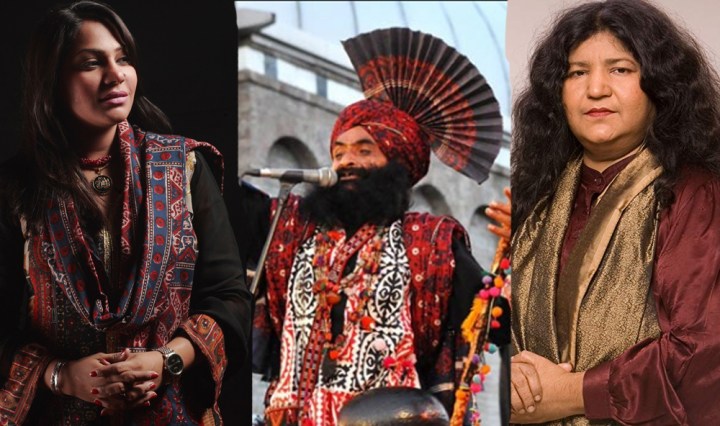
صوفی درگاہوں میں خواتین کی گائیکی اور رقص کی روایت ریاض سہیلبی بی سی اردو ڈاٹ کام، کراچی 6 مار چ 2018 بی بی سی اردو منچھر جھیل کے کنارے پر ایک زبوں حال مزار کے قریب لوگوں کا مجمع لگا ہے جبکہ ایک خاتون گا رہی ہے اور دو خواتین رقص کر رہی ہیں، ساتھ میں سازندوں نے ہاتھوں میں یکتارا، ہارمونیم اور ڈھول اٹھا رکھے ہیں۔ یہ گروپ ’متھن شاہ‘ کے مزار میں داخل ہوکر سلامی دیتا ہے اور باہر آکر محفل موسیقی کا آغاز کرتا ہے۔ سندھ میں صوفی درگاہوں پر میلوں کے موقعے پر گائیکی اور … Continue reading

محبت، امن اور بھائی چارے کا درس دینی والے صوفی شاعر روحل فقیر

چوہدری محمد ارشاد پانچ ہزار سالہ قدیم تہذیب کی حامل سندھ دھرتی اپنے اندر کتنے راز مخفی کئے ہوئےہے، اس کااندازہ آج تک نہیں ہوسکا ہے۔ یہ دھرتی روز اول سے ہی محققین کے لئے حیرت کدہ بنی ہوئی ہے، جہاں ایک پردہ اٹھتا ہے تو راز آشکار ہوتا ہے، پھر اس راز کی کوکھ سے مزید پردے فاش ہوتے جاتے ہیں۔ اس دھرتی کی سب سے خاص بات یہ بھی ہے کہ اس دھرتی کو صوفیائے کرام، اولیائے کرام اور بزرگان دین کی سرزمین کہا جاتا ہےجنہوں نے جو فلسفہ و پیغام محبت، بھائی چارے اور امن کا درس … Continue reading محبت، امن اور بھائی چارے کا درس دینی والے صوفی شاعر روحل فقیر

محبت کا پیغام پھیلانے والے پاکستانی لوک گلوکار

لوک موسیقی جسے عوامی موسیقی بھی کہتے ہیں، کلاسیکی موسیقی اور نیم کلاسیکی موسیقی سے زیادہ عام فہم اور عوام میں زیادہ مقبول ہے۔ لوک موسیقی میں ہلکے پھلکے گیت، لوک دھنیں، علاقائی دھنیں، شادی بیاہ کے گیت، منظوم، لوک … Continue reading محبت کا پیغام پھیلانے والے پاکستانی لوک گلوکار

Ideological Roots of Faith based Violence & Terrorism – Interview by Caleb Maupin

Political Analyst & Journalist Caleb Maupin sits down with 3 of the 4 editors of “Faith Based Violence & Militancy in Pakistan” including: Professor Jawad Syed, ‎Professor at Suleman Dawood School of Business, Lahore University of Management Sciences, Professor Tahir Kamran, Dean of Arts & Social Science, Government College University. Lahore, Pakistan Professor Edwina Pio, University Director of Diversity, Auckland University of Technology, New Zealand. Continue reading Ideological Roots of Faith based Violence & Terrorism – Interview by Caleb Maupin

From Karachi to San Bernadino: In Quest of an Alternative Discourse on Terrorism

In the aftermath of the Paris and San Bernardino attacks, the world can no longer afford apologist and politically correct discourses on terrorism. Jawad Syed In the aftermath of the Paris and San Bernardino attacks, the world can no longer afford apologist and politically correct discourses on terrorism. During my recent trip to Pakistan to attend an international educational and cultural conference in Karachi, I had an interesting discussion on the Paris attacks. A warm and friendly American academic colleague suggested how terrorism could be attributed to U.S. foreign policy failure and mentioned Iraq as an example. He opined that … Continue reading From Karachi to San Bernadino: In Quest of an Alternative Discourse on Terrorism